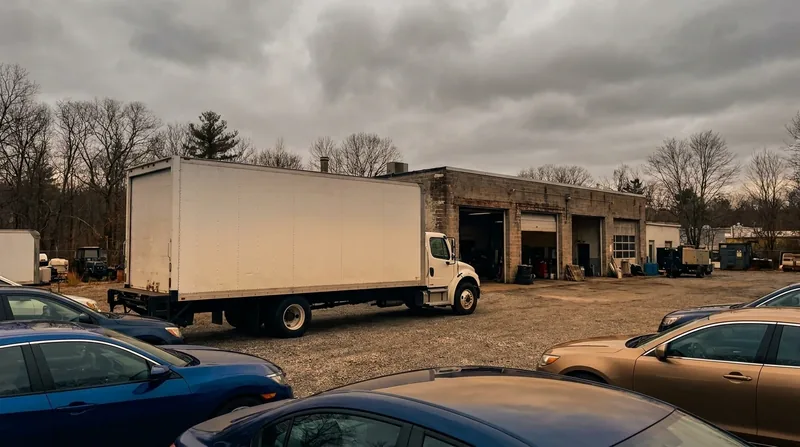
How to Get a Car Dealer License in New Jersey: MVC Requirements, Bond and Display Lot
How to Get a Car Dealer License in New Jersey: MVC Requirements, Bond and Display Lot
If you want to sell vehicles in New Jersey, you need a dealer license from the New Jersey Motor Vehicle Commission (MVC). Most guides on how to get a dealer license in NJ stop at a list of requirements with no sequence. This one walks through the order that works, what the MVC expects to see at your location, what the $10,000 surety bond involves, and where applicants usually lose time.
Informational note: This article is general information, not legal or tax advice. Dealer licensing depends on MVC rules, municipal zoning and your own tax situation. Talk to a qualified New Jersey attorney and a certified public accountant (CPA) before you sign a lease, buy inventory or file anything with the state.
Start With What New Jersey Does and Does Not License
New Jersey issues no general statewide business license, and counties license nothing. A car dealer license is a specific MVC license, and it sits on top of the ordinary business setup. Every business must also complete tax and employer registration with the Division of Revenue and Enterprise Services (DORES) after it forms. That registration produces a Business Registration Certificate (BRC).
The BRC is proof of NJ-REG tax registration. It is not a license, and it does not give you permission to sell cars. Many applicants assume the BRC covers them. It does not. You need the MVC dealer license in addition to your formation and tax registration.
Materials and Checklist Before You Apply
Gather these items before you file so you are not chasing paperwork in the middle of an application:
- Formation documents for your entity, such as a Certificate of Formation for an LLC or a Certificate of Incorporation for a corporation
- Your NJ-REG registration and Business Registration Certificate
- A federal employer identification number (EIN) from the IRS
- A New Jersey street address for the dealership, with a signed lease or deed
- The municipal approval form, completed by the local office that handles zoning or permits
- A $10,000 surety bond issued in the exact legal name of your business
- Proof of insurance
- A manufacturer franchise agreement, if you plan to sell new cars
- Office equipment: a desk, a chair, a landline telephone and a working safe
- A permanent exterior sign
- Funds for the license fee and the dealer registrations and plates, due after preliminary approval
The MVC application may ask for more than this list. Treat this as your planning checklist, then confirm the current application requirements directly with the MVC before you submit.
Step-by-Step: How to Get Your NJ Car Dealer License
-
Decide your license type. Choose between a retail and a wholesale dealer license, and decide whether you will sell new or used vehicles. A retail dealer sells to the public. A wholesale dealer generally sells to other licensed dealers rather than to the public. The distinction changes what the MVC expects from your business, so confirm the right category with the MVC before you lease a location. If you plan to sell new cars, you must also file a manufacturer franchise agreement with your application. Get that agreement in hand before you file.
-
Form your business entity. File a Certificate of Formation for an LLC or a Certificate of Incorporation for a corporation through the Online Business Entity Filing portal at https://www.njportal.com/DOR/BusinessFormation/. The filing fee is $100 for an LLC or a corporation. Check the name first at the NJ business name search. The name must carry a designator such as LLC, L.L.C., Limited Liability Co. or Limited Liability Company. The registered office must be a New Jersey street address. A PO box may be listed only if the street address is listed as well. Online filings are generally entered and reflected in state records within roughly one business day. Mailed filings take longer.
-
Get your EIN and complete NJ-REG. Obtain a federal EIN from the IRS, then complete the tax and employer registration on Form NJ-REG at https://www.njportal.com/DOR/BusinessRegistration/. This process produces your New Jersey tax identification number and, where it applies, a sales tax certificate of authority. The state sales tax rate is 6.625%. Because you will collect sales tax on vehicle sales, make sure this registration is complete before your first sale. Confirm how the sales tax rules apply to your specific vehicle transactions with the New Jersey Division of Taxation at https://www.nj.gov/treasury/taxation/.
-
Secure a qualifying office. The MVC requires an office of at least 72 square feet. It must include a desk, a chair, a landline telephone and a working safe. The telephone must be a landline, so a cell phone alone will not meet the requirement. Before you sign a lease, confirm in writing that the property allows vehicle sales. Many commercial leases prohibit auto sales, storage or display, and a lease that does not permit those uses can stop your application at the municipal step.
-
Provide display space for at least two vehicles. The MVC expects a display area for at least 2 vehicles. Measure the lot before you commit to a location. The space should be on the same premises as the office. Plan for the display area to be usable on inspection day, not just on paper.
-
Get the municipal approval form. Your application needs a municipal approval form. Start this step early, because it depends on zoning and the local permitting office. Bring the lease or deed, the floor layout and the proposed sign plan when you visit. Ask the municipality directly whether a sign permit or other local approval applies to your location, and confirm the answer in writing.
-
Install a permanent exterior sign. The MVC requires a permanent exterior sign for the dealership. A temporary banner, a sandwich board or a portable sign will not satisfy the requirement. Install the sign after you confirm the municipal rules, and photograph it for your records.
-
Obtain the $10,000 surety bond. You need a $10,000 surety bond issued in the name of your business. The name on the bond must match the name on your formation documents and your license application exactly. A mismatch is one of the most common reasons an application is delayed. The $10,000 is the bond amount, not what you pay. You pay the surety a premium, and the premium depends on the surety's underwriting of your business and personal credit. Ask for the premium quote before you assume a cost. A surety bond is a guarantee to the state that your business will follow the law, so if a claim is paid, you are generally responsible for repaying the surety.
-
Secure insurance. Your application requires proof of insurance. Ask your insurance agent to confirm that the coverage you buy meets the MVC requirements for a dealer, and get the proof in the form the MVC accepts. Do not assume a standard commercial policy satisfies the requirement without checking.
-
Submit the application and wait for preliminary approval. File the complete application package with the MVC. The MVC reviews the package and grants preliminary approval before the site inspection. Do not open for business or advertise sales until you have the actual license in hand.
-
Pass the site inspection and pay the fees. After preliminary approval, the MVC inspects the premises. The inspector checks the office, the display space, the sign and the other items on your application. Once the site passes, you pay the $100 license fee plus $257.50 for one set of dealer registrations and 5 plates. Plan these funds for after preliminary approval, not before.
-
Set up title work and sales tax collection. Once licensed, you handle the title work for the vehicles you sell and collect sales tax on taxable sales. Create a written procedure for each transaction, including the bill of sale, title application, sales tax collection and record keeping. Confirm the current title and registration forms and procedures with the MVC, since they change over time.
What It Costs
The table below lists the costs covered by this guide. Your lease, insurance premium, sign, office equipment and inventory are not included, and those costs can be substantial.
| Item | Amount | Notes |
|---|---|---|
| LLC or corporation filing fee | $100 | Certificate of Formation or Certificate of Incorporation |
| Annual report | $75 | Due every year by the last day of the anniversary month |
| MVC license fee | $100 | Paid after preliminary approval and site inspection |
| Dealer registrations and 5 plates (one set) | $257.50 | Paid with the license fee |
| Surety bond | $10,000 bond amount | You pay a premium to the surety, so confirm the quote |
| State sales tax rate | 6.625% | Collected on taxable sales |
The annual report applies to every LLC and corporation, so budget for it in addition to the MVC fees. Fees and rules can change, so verify each figure on the agency page before you pay.
Expected Results and Timing
A complete and accurate package may help your application move through review with fewer requests for correction. An applicant whose office, display area and sign are ready before the inspection may avoid a rescheduled visit. Some applicants may also find that matching names across the formation documents, the bond and the application saves time.
Timing depends on MVC workload, inspection scheduling and how quickly you respond to any requests. Do not commit to a sales opening date, sign a vehicle supply contract or run advertising until the license is issued. If you need a firm date, ask the MVC for its current processing estimate and build a buffer into your plan.
Tips and Common Mistakes to Avoid
- Using a PO box as the only address. The registered office must be a New Jersey street address. A PO box can be listed only as a supplement to the street address.
- Mismatched names. The name on the bond, the formation documents and the application must match. Check the exact spelling, punctuation and designator before you buy the bond.
- Using an old fee figure. Some older guides list the LLC and corporation filing fee as $125. The current filing fee is $100 for LLCs and corporations, effective July 1, 2026.
- Treating the BRC as your license. The Business Registration Certificate proves tax registration. It is not the MVC dealer license.
- Signing a lease without a use check. A lease that does not allow vehicle sales, display or storage can stop the application at the municipal step.
- Relying on a temporary sign. The MVC requires a permanent exterior sign.
- Missing a franchise agreement. New-car dealers must file a manufacturer franchise agreement. Get it before you file.
- Buying inventory too early. Do not purchase vehicles for resale until your license is issued, and confirm how wholesale and retail activity is treated before your first transaction.
- Believing a publication requirement applies. New Jersey has no publication requirement for forming an LLC. Be cautious of any service that claims otherwise.
- Missing the renewal window. The MVC dealer license renews in a window from February 1 to March 31. Put that window on your calendar. Your entity's annual report is a separate deadline, due every year by the last day of the month in which the business was formed.
Renewal and Ongoing Compliance
Renewal is not automatic. Plan to renew between February 1 and March 31 each year, and gather your current insurance certificate, bond and office information before you start. If your office, location, sign or ownership changes, notify the MVC and confirm whether the change requires an amendment or a new approval. The same applies to changes in your registered office or registered agent. Changing the registered office or agent, or an agent resigning without a successor, costs $25.
Where to Confirm Each Requirement
Use these official resources to verify the details in this guide before you act on them:
- New Jersey Division of Revenue and Enterprise Services: https://www.nj.gov/treasury/revenue/
- Online Business Entity Filing (NJ Business Portal): https://www.njportal.com/DOR/BusinessFormation/
- NJ Business Registration (NJ-REG and sales tax): https://www.njportal.com/DOR/BusinessRegistration/
- New Jersey Division of Taxation: https://www.nj.gov/treasury/taxation/
- New Jersey Small Business Development Centers (NJSBDC): https://njsbdc.com/
- U.S. Small Business Administration, New Jersey district: https://www.sba.gov/district/new-jersey
The MVC dealer licensing forms and current requirements are published by the Motor Vehicle Commission itself. Search for the MVC dealer licensing page from the state's main website, and confirm every item on the application against the current version before you submit.
Next Steps
Start with the business decisions: license type, new or used, and location. Form the entity, complete NJ-REG and secure a compliant office before you spend money on the bond, sign or inventory. Then assemble the application package, submit it and plan for the inspection.
Because dealer licensing involves MVC rules, municipal zoning, insurance, surety and sales tax, consider speaking with a New Jersey attorney and a CPA before you commit to a lease or purchase. Their advice applies to your facts, which this general guide cannot address.
Disclaimer: This article is informational only and is not legal or tax advice. Requirements, fees and deadlines can change. Verify every item with the New Jersey Motor Vehicle Commission, the Division of Revenue and Enterprise Services and the Division of Taxation before you act.
Keep exploring: related New Jersey guides
- New Jersey Cannabis Microbusiness, Delivery and Consumption Lounge Licenses
- Selling Hemp, CBD and THC Drinks in New Jersey in 2026
- How to Open a Smoke Shop or Vape Shop in New Jersey
- How to Open a Gun Shop in New Jersey
- How to Start an LLC in New Jersey
- New Jersey Business License
- How Much Does It Cost to Start a Business in New Jersey
- All New Jersey business types
- Every New Jersey guide in one place